
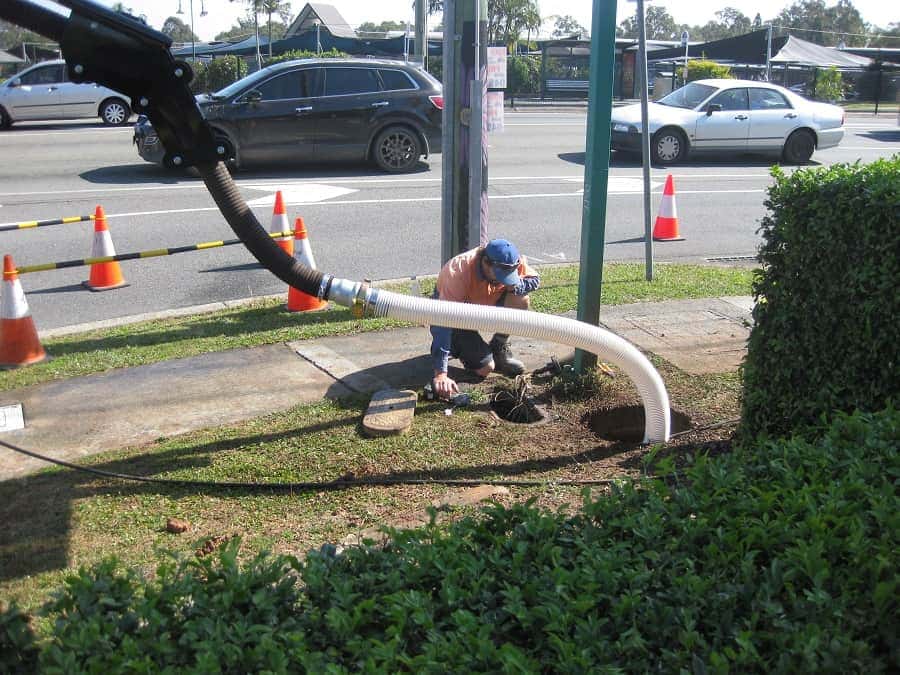
Tackling Hazardous Sites in Queensland: The Smart Way with Vacuum Excavation
When it comes to dealing with hazardous materials like asbestos or lead lurking beneath the surface, the last thing anyone needs is more risk. Traditional digging methods can often stir up trouble, literally. That’s where vacuum excavation, a form of non-destructive digging, steps in as a safer, more precise solution, especially here in Queensland where our regulations rightly prioritise safety and environmental care. At 5th Star Vacuum Excavation, we’ve seen firsthand how this technology transforms challenging sites across South East Queensland.
Understanding Queensland’s Rules of the Road for Hazardous Materials
Navigating the regulatory landscape is paramount when dealing with hazardous substances. In Queensland, the Environmental Protection Act 1994 sets the overarching framework, emphasising our collective “general environmental duty” to prevent harm. WorkSafe Queensland provides specific Codes of Practice, particularly for high-risk materials like asbestos, which are not just guidelines but essential rules for safe operation.
Any waste generated, especially if it’s contaminated, falls under “regulated waste” classifications. This means its handling, transport, and disposal are subject to strict protocols, ensuring it doesn’t pose a threat to our communities or environment. Knowing these rules isn’t just about compliance; it’s about doing the right thing.
Asbestos Removal: Precision and Containment with Vacuum Methods in SEQ
Asbestos, even in small amounts, presents a serious health risk if fibres become airborne. For sites across South East Queensland, from Brisbane to the Gold Coast, vacuum excavation offers a significant advantage.
Specialised vacuum excavation units, particularly those equipped with HEPA (High-Efficiency Particulate Air) filtration systems, are designed to capture and contain asbestos fibres effectively. This method minimises the disturbance of Asbestos Containing Materials (ACMs), reducing the chance of fibres being released into the air compared to older, more aggressive excavation techniques.
In Queensland, removing asbestos, especially friable asbestos, is a licensed activity. Companies undertaking this work must hold the appropriate Class A or Class B asbestos removal licenses, as mandated by WorkSafe Queensland. This ensures that the personnel are trained, the equipment is suitable, and the procedures followed meet the stringent safety standards, including notifications to relevant authorities. The “How to Safely Remove Asbestos Code of Practice 2021” is a key document here, outlining everything from site setup and air monitoring to decontamination and waste disposal.
Lead Contamination Remediation: Non-Destructive Digging to the Rescue
Lead contamination in soil, often a legacy of past industrial activities or old paint, poses another significant health concern. Non-destructive digging, or vacuum excavation, is an incredibly effective method for remediating lead-contaminated sites.
The precision of vacuum excavation allows for targeted removal of contaminated soil without disturbing surrounding clean areas. This minimises the volume of hazardous waste generated, which is both environmentally and economically beneficial. The process also reduces the risk of lead dust becoming airborne.
Queensland Health and WorkSafe Queensland provide guidelines for managing lead exposure. Safe work practices for lead remediation include appropriate Personal Protective Equipment (PPE) for workers, specific hygiene practices to prevent ingestion or spread of lead particles, and controlled site access. Air monitoring might also be necessary depending on the scale and nature of the contamination.
Beyond Asbestos and Lead: Versatility in Hazardous Material Management
While asbestos and lead are common concerns, vacuum excavation’s capabilities extend to other hazardous materials. This can include:
- Contaminated soils from spills or historical industrial use.
- Chemical residues in specific areas.
- Sludge and liquids from pits or containment areas that may be hazardous.
The principle remains the same: precise, contained removal to enhance safety and environmental protection.
The Crucial Final Step: Safe and Compliant Disposal of Hazardous Waste Post-Vacuum Excavation
Removing hazardous materials is only half the battle; ensuring their safe and compliant disposal is just as critical. All waste generated from vacuum excavation on a hazardous site must be managed according to Queensland’s stringent regulations.
Waste Characterisation: The excavated material (often a slurry of soil and water, or dry material) needs to be correctly identified. If it contains asbestos, lead above certain thresholds, or other contaminants from sites listed on the Environmental Management Register (EMR) or Contaminated Land Register (CLR), it’s classified as regulated waste. Testing may be required to confirm contamination levels. (Refer to business.qld.gov.au for guidance on regulated waste).
On-Site Management: While awaiting transport, the waste must be securely contained and clearly labelled, especially if it’s asbestos waste, which has very specific bagging and sealing requirements.
Licensed Transportation: Regulated waste can only be transported by a company holding the appropriate environmental authority (EA) for waste transport. This involves using approved vehicles and maintaining accurate waste transport certificates, which track the waste from cradle to grave. (See asbestos.qld.gov.au for asbestos transport specifics).
Approved Disposal Facilities: Hazardous waste must go to a facility licensed to accept that specific type of waste. Queensland has designated facilities for asbestos, lead-contaminated soil, and other regulated wastes. Trying to dispose of it improperly can lead to severe penalties and environmental harm.
Your Safety Blueprint: Key Protocols for Every Project
Regardless of the specific hazardous material, a robust safety framework is non-negotiable:
- Site-Specific Risk Assessments and Safe Work Method Statements (SWMS): These are foundational documents outlining potential hazards and control measures.
- Personal Protective Equipment (PPE): Appropriate PPE, such as respirators, coveralls, and gloves, is essential.
- Decontamination Procedures: For personnel and equipment to prevent the spread of contaminants.
- Air Monitoring: May be required to ensure control measures are effective, particularly for asbestos.
- Emergency Response Plans: Knowing what to do if something unexpected occurs.
Choosing Your Partner Wisely in Queensland
When you need hazardous materials removed using vacuum excavation, selecting the right provider is crucial. Look for:
- Correct Licensing: Especially critical for asbestos removal (WorkSafe QLD Class A/B) and regulated waste transport (environmental authority).
- Proven Experience: Ask about their track record with similar projects in Queensland.
- Comprehensive Insurance: Ensuring they have adequate public liability and professional indemnity insurance.
- Strong Safety Record: Do they prioritise safety and can they demonstrate it?
- Knowledge of QLD Regulations: They should be thoroughly familiar with WorkSafe and environmental laws.
At 5th Star Vacuum Excavation, we understand the complexities of hazardous material removal. Our commitment to safety, compliance, and using the right equipment for the job means we can tackle these challenging projects effectively, helping to keep Queensland safe and clean.
Frequently Asked Questions (FAQs)
Q1: Is vacuum excavation always suitable for asbestos removal in Queensland?
A: Vacuum excavation, particularly with HEPA filtration, is a highly effective and preferred method for removing certain types of asbestos, especially contaminated soil or debris. However, the specific approach must always align with the “How to Safely Remove Asbestos Code of Practice 2021” and be conducted by a licensed asbestos removalist. For instance, high-pressure water (hydro-excavation) should generally not be used directly on friable asbestos-containing materials.
Q2: What happens to the lead-contaminated soil after it’s vacuum excavated in Queensland?
A: Lead-contaminated soil removed via vacuum excavation is classified as regulated waste. It must be transported by a licensed carrier to a disposal facility in Queensland that is specifically approved to accept lead-contaminated waste. Proper documentation, like waste transport certificates, is essential.
Q3: How do I know if the waste from my vacuum excavation project is “regulated waste” in Queensland?
A: Waste is generally considered regulated if it contains contaminants (like asbestos, lead, or other chemicals) above certain thresholds or originates from a site listed on the Environmental Management Register (EMR) or Contaminated Land Register (CLR). The Queensland Government’s business.qld.gov.au website offers guidance on waste classification. If in doubt, professional testing and assessment are recommended.
Q4: What are the main hazards associated with excavation work involving hazardous materials?
A: Beyond the specific risks of the material itself (e.g., asbestos fibres causing lung disease, lead poisoning), excavation hazards include ground collapse (excavation pit safety), striking underground services, worker exposure during handling, and improper disposal leading to wider environmental contamination. Safe work procedures for excavation are critical.
Q5: What are WorkSafe Queensland’s general requirements for excavation safety?
A: WorkSafe Queensland mandates several requirements, detailed in their “Excavation Work Code of Practice.” These include conducting thorough risk assessments, planning the work, ensuring ground stability (e.g., through shoring or benching), locating and protecting underground services, providing safe access and egress, and having emergency plans in place.