
How Vacuum Excavation Works
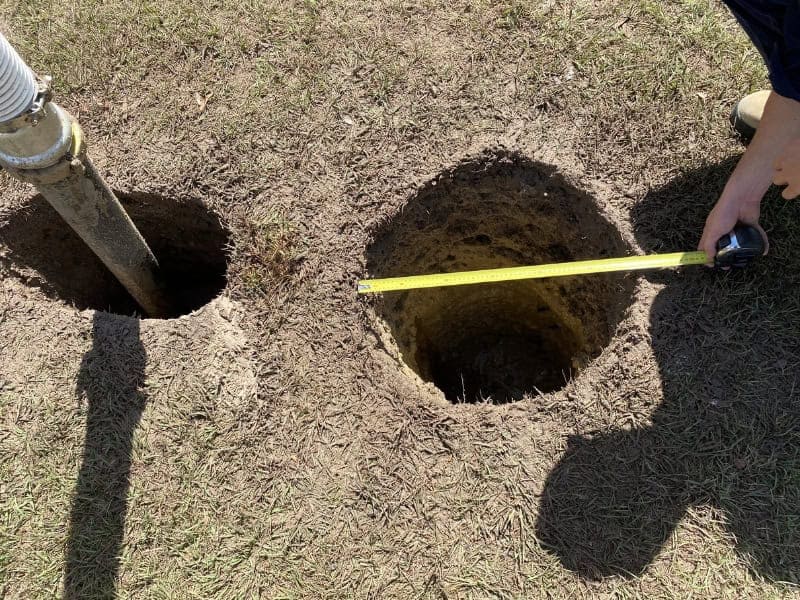
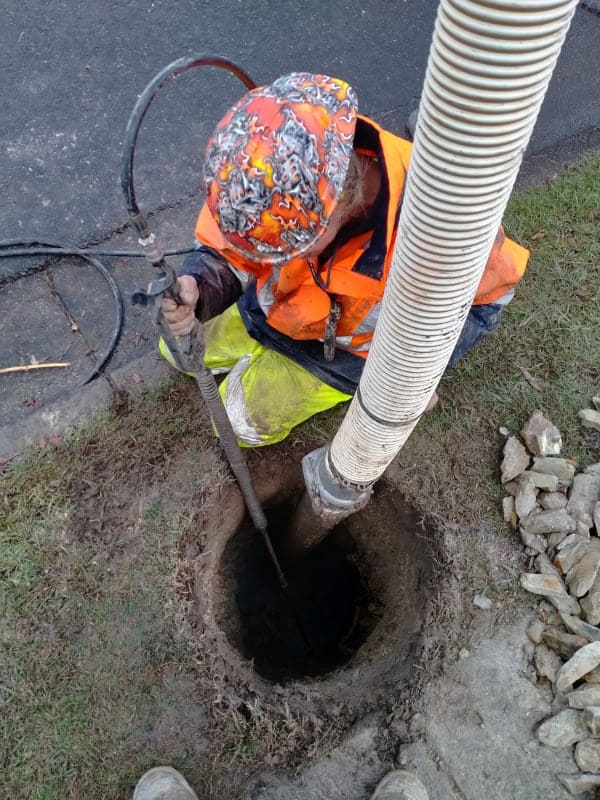
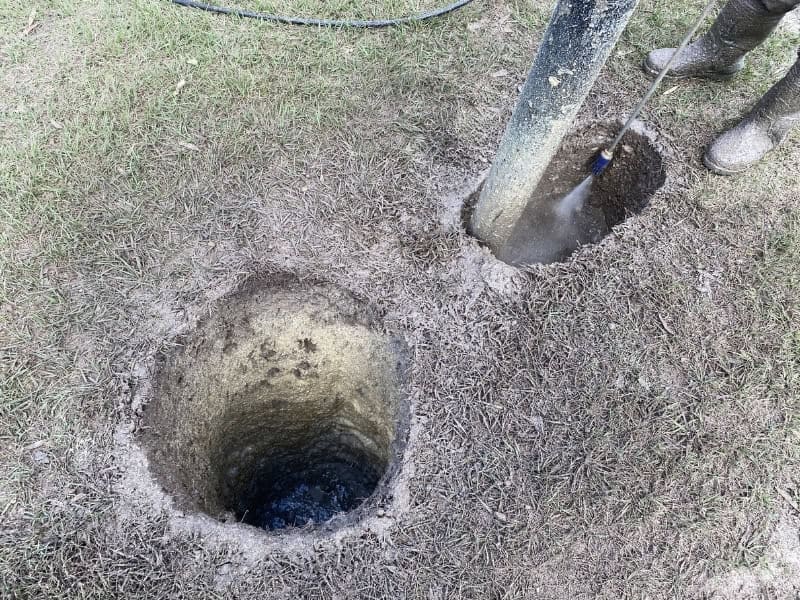
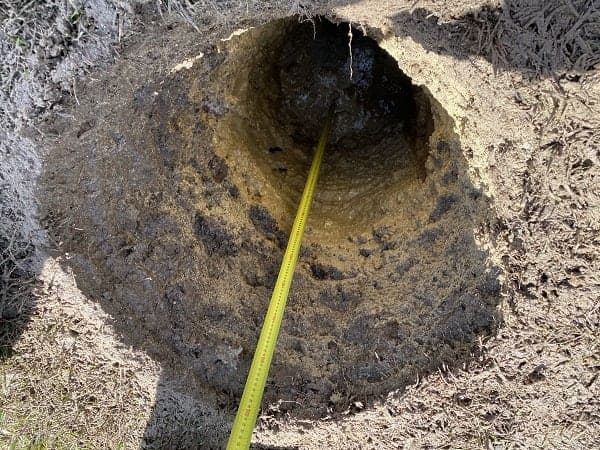
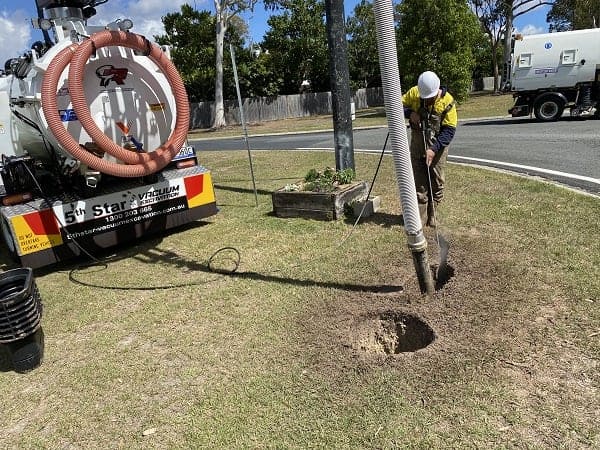
The process is quite straightforward: high-pressure water, typically set between 2,000 psi and 5,000 psi depending on the job, is delivered through a spray gun to break up the soil into a slurry. This slurry is then efficiently extracted from the trench or hole using a vacuum hose, usually 100mm or 150mm in diameter, and transferred into a storage tank on the Vacuum Truck for safe transport to an approved waste disposal facility.
What is Vacuum Hydro Excavation?
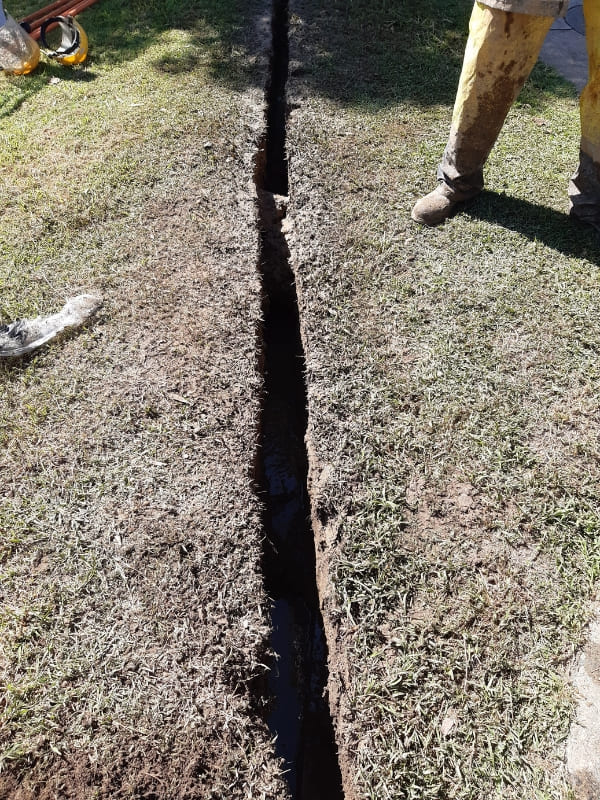
Vacuum hydro excavation is a non-destructive digging method that uses pressurised water and a powerful vacuum to safely expose underground utilities, remove soil, and perform trenching. This technique is commonly employed in construction, civil works, and maintenance projects across Australia due to its safety and precision.
How the Process Works
- Pressurised Water Injection
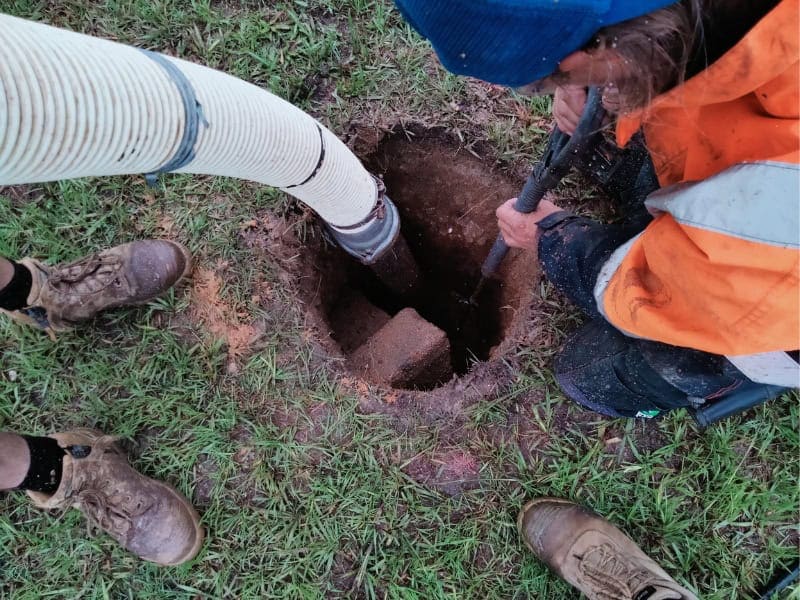
- First, a high-pressure water jet is directed onto the area to be excavated. The water breaks up soil, clay, and other materials, effectively loosening them without damaging buried assets such as pipes, cables, or tree roots.
- Vacuum Extraction
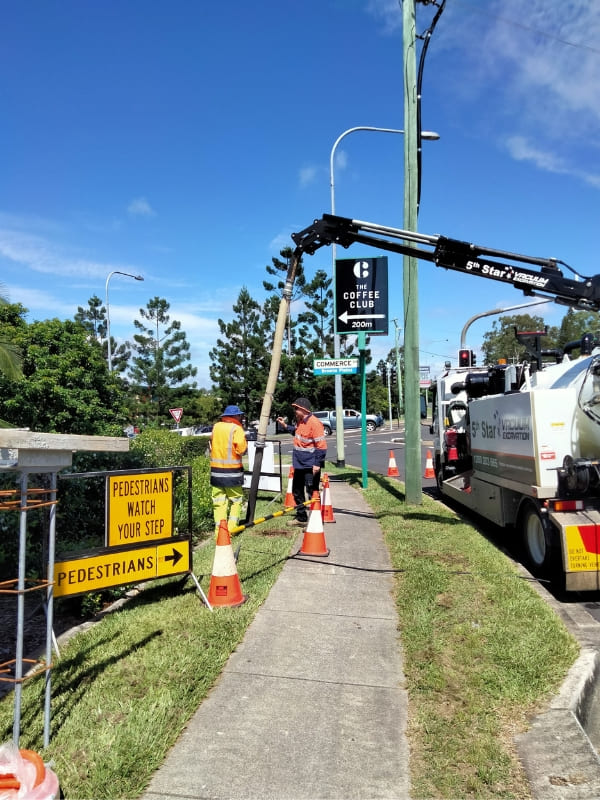
- Once the soil is loosened, a strong vacuum hose is used to suck up the slurry of water and debris into a holding tank mounted on a specialised truck or trailer (often called a vacuum truck or sucker truck). This keeps the work site clean and contained.
- Disposal and Site Restoration
- The removed material is stored in the on-board tank and later transported to an approved disposal facility. After excavation, the site can be quickly restored, minimising environmental impact and disruption to surrounding areas.


Benefits of Vacuum Hydro Excavation
- Safety: Reduces risk of damaging underground utilities, making it ideal for work near gas, water, and electrical lines.
- Precision: Allows for highly accurate digging, even in confined or sensitive areas such as footpaths, nature strips, and around tree roots.
- Environmental Stewardship: Minimises disturbance to soil structure and surrounding vegetation compared to mechanical excavation.
- Efficiency: Quick setup and cleanup, with less manual labour required.
Common Applications in Australia
- Locating and exposing utilities for maintenance or installation
- Trenching for pipelines, cables, or drainage
- Excavating around tree roots for arboricultural work
- Cleaning out pits, tanks, and culverts at servos or building sites
- Environmental remediation projects
Conclusion
Vacuum hydro excavation is a safe, precise, and environmentally friendly method for digging and soil removal. Its popularity in Australia continues to grow, especially as projects demand greater care around sensitive underground infrastructure and the need to protect the environment.